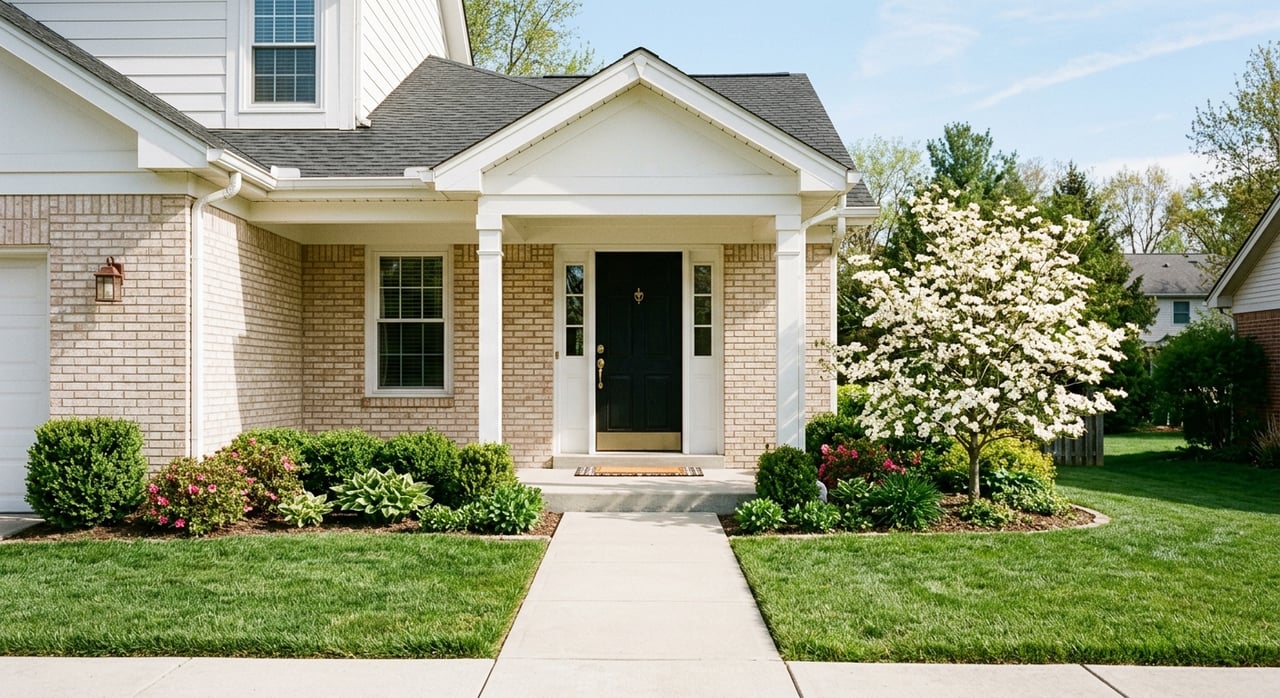
If you are getting ready to sell in Crestwood, you are probably wondering what the process will really feel like once your home goes live. Between pricing, prep work, disclosures, showings, and closing details, it can seem like a lot to manage at once. The good news is that when you know the steps ahead of time, the experience feels more organized and far less stressful. Let’s walk through what you can expect when you list your Crestwood home.
Crestwood sellers need a local game plan
Crestwood sits in Oldham County, just outside the greater Louisville area, and buyers often look closely at location details when comparing homes here. That can include commute patterns, neighborhood setting, and proximity to local amenities. In this area, buyers may also pay attention to where a home is located in relation to Oldham County Schools.
Because of that, listing a home in Crestwood is not just about putting a sign in the yard. It is about presenting your home clearly, pricing it thoughtfully, and making it easy for buyers to understand what makes the property stand out. A structured plan helps you do that from day one.
Your listing starts before it hits the market
Before your home is officially listed, there is usually a preparation phase. This is when you and your agent work through pricing, condition, disclosures, and presentation. A strong start matters because first impressions often shape how buyers respond.
Dee Amber Homes follows a step-by-step seller process that begins with understanding your goals, determining pricing, and starting preparations before the marketing launch. That kind of organized approach can make the entire experience feel more manageable. It also helps you avoid last-minute scrambling once buyers begin scheduling showings.
Clarify your goals first
Every sale starts with a reason. You might be moving for more space, downsizing, relocating, or making a timing decision based on life changes. Your goals affect your pricing strategy, prep timeline, and preferred closing schedule.
This step matters more than many sellers expect. If you know what you want to accomplish, it becomes easier to make smart decisions throughout the listing process. That includes how much work to do before listing and how flexible you want to be when offers arrive.
Price with current market context
Pricing is one of the most important early decisions. Dee Amber Homes uses a home valuation approach that compares your property to nearby homes while also factoring in market conditions, location, and features. That creates a more informed starting point than guessing based on what you hope the home will bring.
A thoughtful price can help generate strong attention right away. It can also support the team’s marketing goal of driving the most traffic in the first three weeks after you become a client. Early momentum is often important because it shapes buyer interest and showing activity.
Expect a strong focus on prep and presentation
Once pricing is in motion, the next step is getting your home ready to show well online and in person. Buyers often see your home in photos before they ever step inside. That means appearance, cleanliness, and layout can influence interest from the very beginning.
According to the National Association of Realtors, cleaning windows, carpets, light fixtures, and walls, decluttering, and improving curb appeal can help improve how a home looks in photos. NAR also defines staging as cleaning a home and temporarily adding furniture and decorations to help buyers picture themselves living there.
The most important pre-listing tasks
Before listing, you should expect to work through a checklist like this:
- Declutter rooms, counters, and storage areas
- Deep clean surfaces, floors, windows, and fixtures
- Address obvious maintenance items and small repairs
- Refresh curb appeal at the front entry and yard
- Gather manuals, warranties, and paperwork for items staying with the home
- Talk through staging options for key rooms
These steps are not about making your home look unrealistic. They are about helping buyers see the space clearly and confidently. Even simple improvements can make photos feel brighter and showings feel smoother.
Why staging and photos matter
NAR’s 2025 staging profile found that 83 percent of buyers’ agents said staging made it easier for buyers to visualize a property as a future home. The same report found that 73 percent said photos were important. The living room, primary bedroom, and kitchen were the rooms most commonly staged.
For Crestwood sellers, that means your listing launch should focus heavily on visual presentation. If buyers are comparing several homes in Oldham County, polished photos and a well-prepared interior can help your home stand out. This is especially important in the first days and weeks on the market.
Help with repairs and vendor coordination
Some homes need only light touch-ups before listing, while others benefit from more involved updates. Dee Amber Homes highlights a curated preferred-vendor network that includes providers such as a contractor, interior designer, flooring specialist, and plumber. That can make pre-sale preparation more efficient if your home needs targeted improvements.
Instead of trying to coordinate every detail on your own, you can work through a more guided process. This is especially helpful if you are balancing a move, work, or family logistics at the same time. Having reliable vendors can reduce delays and keep the listing timeline on track.
Kentucky disclosures are part of the process
Listing your Crestwood home also means handling required disclosure paperwork. In Kentucky, for agent-assisted sales of single-family residential dwellings, the seller must complete and sign the disclosure form when the listing agreement is executed. The listing agent must then provide it to a prospective buyer upon request and within 72 hours of receiving a written, signed offer.
The disclosure form covers items such as basement leaks, roof leaks, water source and sewage condition, and the working condition of component systems. This is one reason sellers benefit from gathering information early rather than waiting until an offer is in hand. A prepared file can help the transaction move more smoothly.
Older homes may need lead paint disclosure
If your home was built before 1978, there is another step to expect. Federal lead-based paint rules require sellers to disclose known lead hazards and records before contract ratification, provide the lead hazard pamphlet, and allow buyers time to conduct a lead inspection.
This does not mean every older home has a major issue. It simply means there is an added disclosure requirement tied to the age of the property. If your home falls into this category, it is best to handle that paperwork early.
Your launch should feel coordinated
Once the prep work is complete, your home is ready for market. Dee Amber Homes describes its marketing strategy as a mix of social media, agent-to-agent referrals, traditional media, and SEO. The stated goal is to drive the most traffic in the first three weeks after becoming a client.
That tells you something important about what to expect as a seller. The launch is not passive. It is designed to create visibility quickly and support strong early interest while your home is fresh on the market.
Showings and buyer feedback come next
After your listing goes live, you should expect a period of showings, buyer questions, and feedback from the market. This part can move quickly, especially if the home is well prepared and priced in line with current conditions. It can also require flexibility with your schedule.
In Crestwood, buyers may compare homes based on layout, condition, lot use, and location within the broader Oldham County area. That means the details matter. Clean presentation, clear disclosures, and a thoughtful launch can help buyers feel more confident when deciding whether to make an offer.
Offers are more than just price
When offers arrive, the highest number is not always the best one. Dee Amber Homes says it helps sellers evaluate prequalification or preapproval as well as contract terms such as deposit amount, financing, inspection rights, repair allowances, contingencies, settlement date, and fees. That fuller review can protect your bottom line and reduce the chance of surprises later.
This is where an experienced, team-led process can be especially valuable. You want to understand not only what the buyer is offering, but also how likely the deal is to hold together through closing. Strong communication and careful review are key here.
Terms to review carefully
When you review offers, expect close attention to:
- Purchase price
- Buyer financing strength
- Earnest money deposit
- Inspection rights
- Repair requests or allowances
- Contingencies
- Proposed settlement date
- Closing costs or fee requests
Looking at the whole picture helps you choose the offer that best fits your goals. Sometimes certainty and timing matter just as much as price.
After acceptance, the closing phase begins
Once you accept an offer, the process shifts into coordination mode. Dee Amber Homes says this stage includes managing inspections, surveys, appraisals, repairs, and communication with the closing company a few days before closing. For sellers, this is often the part that feels both administrative and practical.
You may need to confirm agreed repairs, provide documents, and keep your move-out timeline on schedule. You should also expect to handle service transfers such as utilities and trash before closing. Good organization makes this stage much easier.
Expect a few final moving parts
Even after a contract is signed, there can still be items to resolve. If the buyer is financing the purchase, their lender must provide the buyer’s Closing Disclosure three business days before closing. In practice, that means the last stretch before settlement is often used to confirm numbers, credits, and final details.
For you as a seller, the best approach is to stay responsive and keep documentation organized. If repairs or credits were negotiated, make sure they are clearly documented. By this point, your disclosure items and home paperwork should already be in the file.
What the full seller experience should feel like
When the process is handled well, listing your Crestwood home should feel structured, not chaotic. You should know what is happening next, what decisions need your attention, and what support is available along the way. That includes help with preparation, pricing, marketing, offer review, and closing coordination.
In a market like Crestwood, details matter. A clean launch, a realistic price, complete disclosures, and strong presentation can all shape your result. With a clear plan and the right guidance, you can move from pre-listing prep to closing with much more confidence.
If you are thinking about selling and want a clear, high-touch plan for your next move, Dee Amber Anderson can help you prepare, price, and launch your Crestwood home with confidence.
FAQs
What should Crestwood sellers do before listing a home?
- Crestwood sellers should expect to clarify their goals, review pricing, complete required disclosures, declutter, deep clean, address visible repairs, and prepare the home for photos and showings.
What disclosures are required when listing a home in Kentucky?
- For agent-assisted sales of single-family residential dwellings in Kentucky, sellers must complete and sign the disclosure form when the listing agreement is executed, and the listing agent must deliver it to a prospective buyer upon request and within 72 hours of receiving a written, signed offer.
What should sellers of older Crestwood homes know about lead paint rules?
- If a Crestwood home was built before 1978, sellers must disclose known lead hazards and records before contract ratification, provide the required lead hazard pamphlet, and allow buyers time to conduct a lead inspection.
How are offers evaluated when you list a Crestwood home?
- Offers are typically reviewed based on more than price, including buyer preapproval or prequalification, deposit amount, contingencies, inspection rights, repair allowances, settlement date, and fees.
What happens after a Crestwood home goes under contract?
- After a home goes under contract, sellers should expect coordination around inspections, appraisals, possible repairs, communication with the closing company, final documentation, and practical move-out tasks such as utility and trash transfers.