If you have ever driven through Oldham County and thought, “Why does every area feel a little different?” you are not imagining it. The county’s homes reflect a mix of rural history, small-town growth, and newer residential development, which creates a streetscape that feels layered instead of uniform. When you know what to look for, it becomes much easier to understand a home’s character, likely era, and even some practical maintenance considerations. Let’s dive in.
Why Oldham County Has Such Variety
Oldham County’s housing mix makes sense when you look at how the area has grown. According to the county’s Planning and Development department, Oldham County aims to balance growth, economic vitality, greenspace preservation, and its historic rural roots.
That balance shows up clearly in the housing stock. Recent Census-based profiles cited in the county context show 24,512 housing units, an 87.1% owner-occupied rate, and a market made up largely of single-family homes. The same data also shows that while only a small share of homes date to 1939 or earlier, there is still enough older housing to give the county visible architectural depth, alongside a meaningful number of homes built since 2010.
In plain terms, you are likely to see a little bit of everything here. That can include older farmhouses on acreage, historic homes in town-centered districts, early 20th-century neighborhood houses, and newer custom-built homes in more recent developments.
Early Farmhouses and Vernacular Homes
Some of the oldest homes you will see around Oldham County are not grand historic showpieces. They are simple, practical houses built for everyday life on working land.
These homes are often best described as farmhouses or vernacular frame houses. Rather than following a highly formal architectural style, they were shaped by local materials, function, and the needs of rural households.
A strong local example is the Carpenter-Smith House near Brownsboro, built around 1839. National Register documentation describes it as a five-bay, one-and-one-half-story frame house with a fieldstone foundation, exterior stone chimneys, and brick nogging, reflecting the county’s early agricultural character.
What to Look For
- Simple, symmetrical or near-symmetrical fronts
- One- or one-and-one-half-story forms
- Frame construction
- Stone foundations or chimneys on older examples
- Practical layouts with little ornamentation
You are most likely to notice this older rural architectural layer in areas like Brownsboro and other farm corridors. These homes often stand out more for their setting and age than for decorative detail.
Italianate and Other Mid-1800s Revival Styles
As Oldham County developed in the mid-19th century, residential architecture became more stylistically varied. A county context study tied to the Bradshaw-Duncan House documentation found that buildings documented from 1850 to 1875 were commonly Italianate, Gothic Revival, Greek Revival, and simple log-saddlebag forms.
Of those, Italianate is one of the most recognizable styles you may still spot today. It brought a more decorative, nationally popular design language into the county’s residential landscape.
Italianate Features
- Low-pitched roofs
- Wide overhanging eaves
- Decorative brackets under the eaves
- Tall, narrow windows
- Porches, sometimes with more elaborate detailing
- In some cases, towers or vertical emphasis
If you are touring older homes, Italianate properties often feel taller and more formal than early rural farmhouses. They may also read as more refined from the street, even when they have changed over time.
Victorian Vernacular Homes
Many people casually call late-19th-century homes “Victorian,” and that is understandable. In Oldham County, though, a more precise label is often Victorian Vernacular.
In Pewee Valley, survey documentation describes T-plan, L-plan, and asymmetrical houses with gable roofs, weatherboard siding, decorative shingles, turned porch posts, sawnwork spandrels, and spindlework friezes. The survey notes that these homes closely resemble the Victorian Vernacular houses found in the Central La Grange Historic District.
What Makes Them Stand Out
These houses usually feel more playful and textured than earlier styles. Instead of strict symmetry, you often see irregular rooflines, decorative wood trim, and porches with eye-catching details.
If you enjoy homes with personality, these are often the ones that catch your attention first. Their charm tends to come from the combination of form, trim, and porch design rather than one single dramatic feature.
Colonial Revival Homes
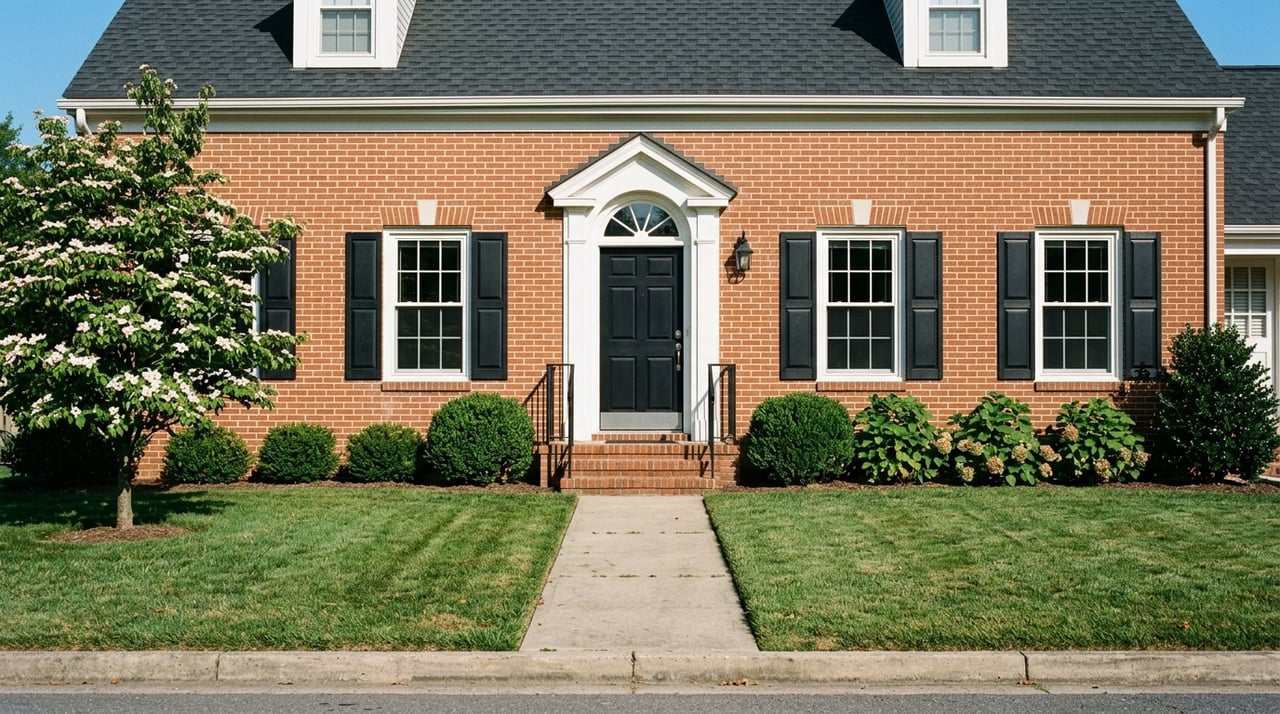
If you picture a classic brick home with a balanced front façade and traditional detailing, you are probably thinking of Colonial Revival. This is one of the clearest and most recognizable historic looks in Oldham County.
Pewee Valley offers especially strong examples. National Register documentation for the Pewee Valley area describes a neighborhood mix that includes Colonial Revival, Italianate, Queen Anne, Dutch Colonial Revival, and Craftsman homes.
National Park Service guidance referenced in that documentation notes that Colonial Revival architecture often includes symmetry, classical porch elements, columns or pilasters, fanlights or sidelights, and sometimes Palladian windows.
Colonial Revival Clues
- Symmetrical front elevation
- Brick exteriors on many examples
- Centered entry doors
- Columns, pilasters, or other classical details
- Multi-pane window patterns
- A formal, orderly appearance
In everyday market language, this is often the “classic colonial” look buyers mean when they talk about timeless curb appeal.
Craftsman and Bungalow Homes
Another style you are likely to see in Oldham County is Craftsman/Bungalow, especially in older established areas. These homes became a common part of early 20th-century neighborhood development.
The Central La Grange Historic District includes Bungalow/Craftsman among its recognized architectural styles, and Pewee Valley survey material also identifies Craftsman houses as part of its railroad-suburb growth.
That survey explains that many post-1910 houses were simple one- or one-and-one-half-story Bungalow/Craftsman homes with square or rectangular plans, weatherboard siding, prominent front dormers, and bold front porches.
Common Craftsman Features
- Low, broad rooflines
- One- or one-and-one-half-story massing
- Front dormers
- Wide porches
- Square or rectangular footprints
- A simpler, grounded appearance
These homes often feel warm and approachable. For many buyers, they offer a nice middle ground between historic character and practical everyday living.
Where You Will See These Styles
Oldham County does not display every style evenly. Some places are much more closely tied to certain architectural periods than others.
La Grange
La Grange is one of the county’s best-known areas for historic architecture. The Advisory Council on Historic Preservation notes that the city has two historic districts and that more than 150 buildings in Central La Grange date from 1830 to 1938, with most dating from 1885 to 1915.
That means you can expect to see a broad mix here, including late-19th-century vernacular houses and early-20th-century neighborhood homes. It is one of the best places to get a feel for the county’s layered architectural history in a compact area.
Pewee Valley
Pewee Valley is especially important if you want to understand the county’s railroad-suburb identity. National Register documentation describes it as a railroad-related suburban community, with houses dating broadly from 1800 to 1930 and the majority built between 1870 and 1910.
This is one of the strongest settings in Oldham County for Colonial Revival, Italianate, Queen Anne, Dutch Colonial Revival, and Craftsman homes. If you appreciate historic variety, Pewee Valley is one of the most visually interesting places to explore.
Brownsboro and Rural Corridors
For the county’s earliest rural building tradition, Brownsboro and nearby agricultural areas are especially relevant. This is where farmhouse and vernacular frame house language fits best.
In these areas, the setting matters as much as the architecture itself. Larger lots, open land, and long-standing farm corridors help tell the story of why these simpler house forms remain an important part of Oldham County’s visual identity.
Newer Custom Homes in Oldham County
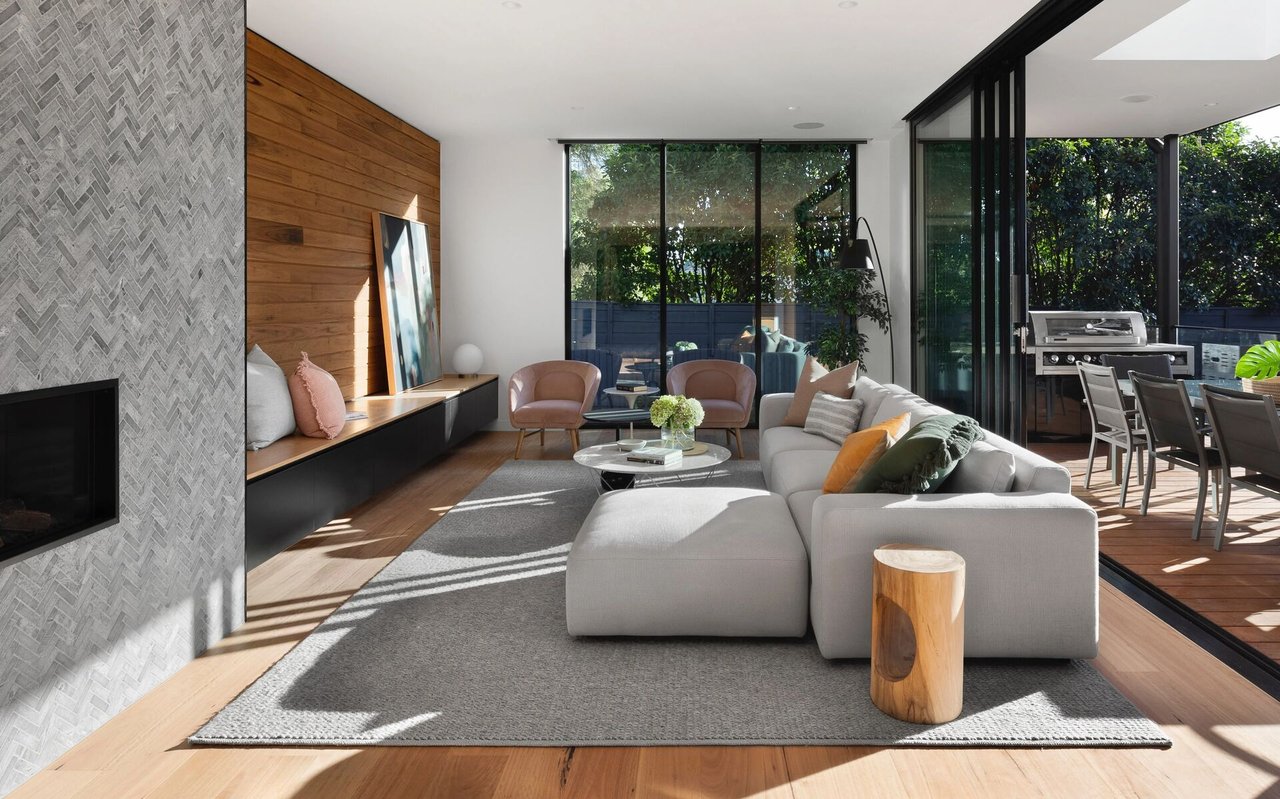
Not every home in Oldham County fits a historic label, and that is part of the county’s appeal. Newer custom homes are a visible part of the landscape, supported by the county’s growth pattern and its largely single-family housing profile.
Rather than fitting neatly into one historic style, these homes are often understood through their exterior cues. You may notice rooflines, porch presence, window proportions, and material choices that borrow from traditional forms while still feeling contemporary.
For buyers, this means newer homes may offer a familiar look without being a strict reproduction of Colonial Revival, Craftsman, or farmhouse design. They add another layer to the county’s mix and help explain why Oldham County never feels architecturally one-note.
Why Style Matters When Buying or Selling
Architectural style is not just about appearance. It can also shape maintenance priorities, renovation choices, and buyer expectations.
In historic areas, original details often matter more than people first realize. The La Grange Historic Districts Commission guidelines state that new construction and additions should be compatible in massing, scale, proportion, material, and setback, and that historically inaccurate details should be discouraged.
The same guidelines note that thoughtful renovation practices can add value and may also save energy and money. For older homes, features like intact porches, original windows, brick or wood trim, and appropriate rooflines can have a real impact on how the property is perceived.
If You Are Buying
Pay attention to more than surface finishes. The style of a home can influence:
- Future maintenance needs
- The cost and complexity of updates
- What changes may be appropriate in a historic setting
- Long-term resale appeal
If You Are Selling
It helps to know which features define your home’s character. For example, a buyer may respond strongly to original porch details, symmetry, dormers, or historic trim even if they do not know the exact style name.
When you understand what makes a home architecturally distinctive, it becomes easier to present it well and market it with confidence.
Oldham County is full of homes with distinct character, from simple early farmhouses to polished Colonial Revival residences and newer custom builds. If you want help understanding how your home fits into the local market or what buyers may notice first, Dee Amber Anderson offers thoughtful, local guidance backed by a concierge-level approach.
FAQs
What architectural styles are most common in Oldham County?
- The most recognizable styles in Oldham County include early farmhouses and vernacular frame houses, Italianate homes, Victorian Vernacular houses, Colonial Revival homes, Craftsman/Bungalow homes, and newer custom traditional homes.
Where can you see historic homes in Oldham County?
- La Grange and Pewee Valley are two of the best-known places for historic homes in Oldham County, while Brownsboro and surrounding rural corridors are especially associated with older farmhouses and vernacular homes.
What does Colonial Revival architecture look like in Oldham County?
- In Oldham County, Colonial Revival homes often feature symmetrical fronts, centered entries, brick exteriors, classical details like columns or pilasters, and an overall formal, balanced appearance.
What is the difference between Victorian Vernacular and Queen Anne homes in Oldham County?
- In Oldham County, homes often described casually as Victorian may be more accurately labeled Victorian Vernacular, which commonly includes T-plan or L-plan forms, decorative porch trim, gable roofs, and asymmetrical layouts rather than a pure high-style Queen Anne expression.
Do architectural details matter when selling an older home in Oldham County?
- Yes. In older Oldham County homes, details like original porches, windows, trim, and rooflines can influence presentation, maintenance decisions, and buyer appeal, especially in or near historic districts.